
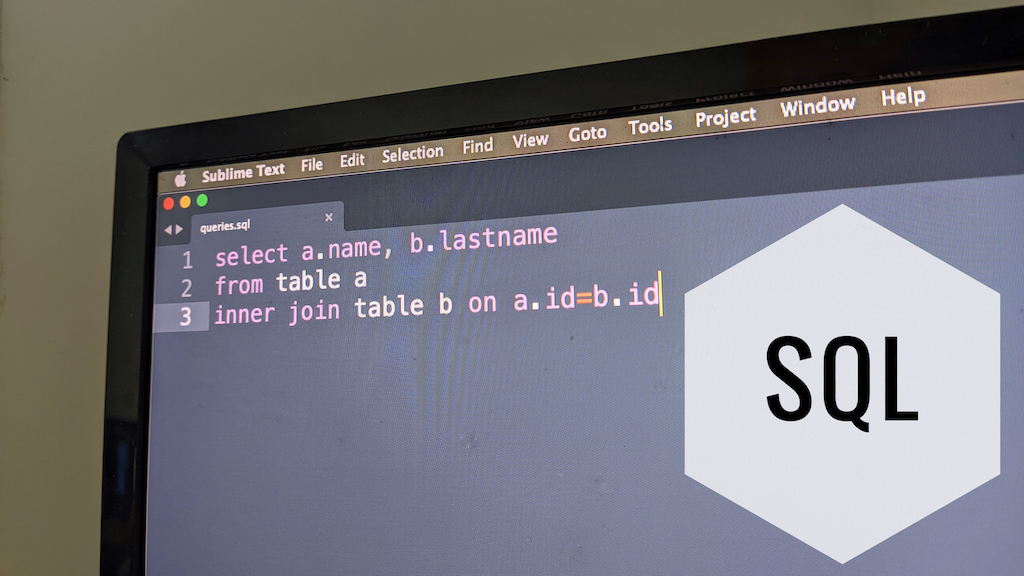
Have you ever felt like a juggler trying to untangle your data in Oracle SQL? Do not worry! In this article, we will untangle the different types of joins, those mysterious database juggling acts. We will learn about Natural Join, Inner Join, Inner Join in the WHERE clause, Left Join, Right Join, and Full Outer Join. Get ready to jump into the world of SQL and discover how to join tables effectively!
Natural Join: The Magic of an Exact Match
Let us start with Natural Join. Imagine that you have two tables: “Empleados” and “Departamentos”. Using Natural Join, Oracle SQL will automatically look for columns with the same name in both tables and join them. This simplifies the process and avoids having to specify the columns they share. Let us look at an example:
SELECT * FROM Empleados NATURAL JOIN Departamentos;Inner Join: Find the Perfect Matches
Inner Join is like a party where only those who meet certain requirements are allowed in. Here, Oracle SQL combines rows from two tables based on a matching condition specified by you. For example:
SELECT * FROM Empleados INNER JOIN Departamentos
ON Empleados.departamento_id = Departamentos.departamento_id;
Inner Join in the WHERE Clause: Joining Rows Without Restrictions
Sometimes, we prefer to use Inner Join directly in the WHERE clause. This allows us to filter results based on matching columns between the tables. Take a look at this example:
SELECT * FROM Empleados, Departamentos
WHERE Empleados.departamento_id = Departamentos.departamento_id;
Left Join: Do Not Forget Me!
In a Left Join meeting, all rows from the left table, the first one mentioned in the query, are included in the results, while matching rows from the right table are added if they exist. This is useful when we want to see all rows from the left table regardless of whether they have matches in the right table. Look at this example:
SELECT * FROM Empleados LEFT JOIN Departamentos
ON Empleados.departamento_id = Departamentos.departamento_id;
Right Join: Do Not Miss the Fun!
Right Join is similar to Left Join, but this time all rows from the right table are included in the results, and only matching rows from the left table are added if they exist. Here is an example:
SELECT * FROM Empleados RIGHT JOIN Departamentos
ON Empleados.departamento_id = Departamentos.departamento_id;
Full Outer Join: A Party Without Exclusions!
Imagine a party where everyone is invited, even if they do not have a partner. Full Outer Join combines all rows from both tables, showing matches and non-matches. It is perfect when we want to obtain all the data without leaving anything behind. Here is an example:
SELECT * FROM Empleados FULL OUTER JOIN Departamentos
ON Empleados.departamento_id = Departamentos.departamento_id;
To Wrap Up…
Congratulations! You have navigated the tangle of joins in Oracle SQL. You are now an expert juggler at joining tables effectively. Remember that each type of join has its place, depending on what you need to achieve. Use Natural Join for exact matches, Inner Join to specify joining conditions, Left and Right Join to include rows from a particular table, and Full Outer Join to show everything. Have fun exploring and practicing your SQL skills!
I hope this article has been useful and that you now feel more confident in the world of joins in Oracle SQL. Join the tables and work magic with your data!